DIY Foot Massage Oil: 5 Recipes for Dry, Cracked or Tired Feet
By Body Oil Guide Editorial Team · September 27, 2026 · 13 min read
Feet get more wear and less care than almost any other part of the body. The skin on the soles and heels is thick and has no oil glands of its own, so when it dries out it tends to harden and split rather than just feel tight. A few minutes of massage with the right oil softens that skin, seals in moisture, and feels good after a long day on your feet.
This guide gives five simple DIY foot massage oil recipes, each matched to a common problem: dry skin, cracked heels, and tired, achy feet. It also covers where an oil alone isn’t enough (deep heel cracks usually need a urea cream too), and who should take extra care, especially people with diabetes. For how massage oil works more generally, see our massage oil guide.
Table of Contents
Key Takeaways
Oil softens dry feet mainly by sealing water into the skin, so it works best on feet that are still slightly damp after a shower or bath.
For cracked heels, the American Academy of Dermatology recommends a cream with 10-25% urea, alpha hydroxy acid or salicylic acid, plus plain petroleum jelly and socks at night. A thick oil can play the same sealing role as the petroleum jelly, but it doesn’t replace the urea cream for deep cracks.
Peppermint oil feels cooling on tired feet because its menthol activates a cold-sensing receptor in the skin. Keep it to about 1% in a carrier oil, keep it off broken skin, and don’t use it on young children.
People with diabetes should check their feet daily, avoid putting oil or lotion between the toes, and skip long foot soaks, following NIDDK guidance.
Oily feet are slippery. Massage sitting down, and put on socks before you walk on hard floors.
Why Feet Get So Dry, and What Oil Can Do
The soles of the feet have the thickest outer skin layer on the body and no sebaceous (oil) glands, so they rely entirely on sweat and whatever you apply for moisture. Standing, walking, open-backed shoes and long hot showers all add to the drying. On the heels, where pressure spreads the skin sideways with every step, dry skin can harden into thick calluses that split into painful cracks.
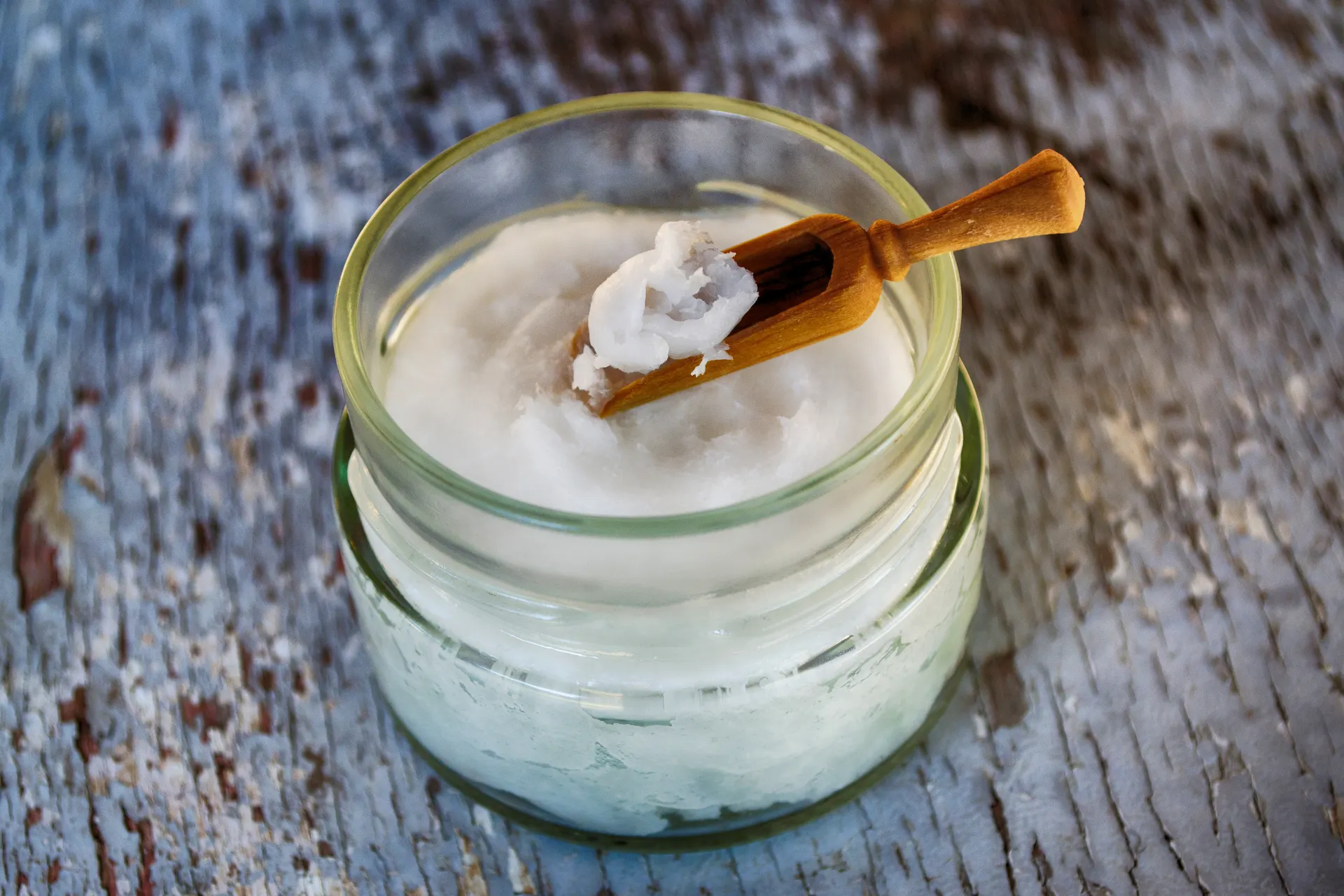
Plant oils help mainly as occlusives: they form a thin layer that slows water evaporating from the skin, which keeps it softer and more flexible. They don’t add water themselves, which is why timing matters for any DIY foot massage oil. Oil on bone-dry feet has little to seal in. Oil on feet that are still slightly damp from a shower works much better. Our complete guide to body oil explains this occlusion mechanism in detail.
The Best Carrier Oils for Foot Massage
Feet are one place where a heavy, slow-absorbing oil is an advantage, not a drawback. Pores on the soles aren’t a concern the way they are on the face or back, and a richer oil stays on longer to do its sealing job, which is exactly what a good DIY foot massage oil needs.
Oil
Feel
Best for
Notes
Castor oil
Very thick, sticky
Cracked heels, overnight sealing
Too thick to massage with alone; mix with a thinner oil
Avocado oil
Rich, slow to absorb
Very dry feet
High in oleic acid; long-lasting slip
Sweet almond oil
Rich, long glide
Massage, dry skin
Tree nut; avoid with nut allergies
Virgin coconut oil
Solid in a jar, melts on skin
Heels, overnight use
Solid below about 76°F
Sunflower seed oil
Medium
Everyday use, sensitive skin
Barrier-friendly in a human study (Danby et al., 2013)
Jojoba oil
Medium, not greasy
Daytime use
Very stable; absorbs without much residue
Grapeseed or fractionated coconut oil
Light, fast
Base for essential oil blends
Easy glide for massage; less staying power
For a full comparison of these oils by skin type, including their fatty-acid profiles, see our best body oil picks.
Photo via Pexels, creator Paolo Ortega (Pexels License).
5 DIY Foot Massage Oil Recipes
Each DIY foot massage oil recipe makes about 2 tablespoons (30 ml), enough for a week or two of foot massages. Small batches stay fresh. Mix in a clean, dry glass bottle, ideally a dark one with a dropper or flip cap. Essential oil amounts are measured in drops: at a standard dropper size, 6 drops in 2 tablespoons of carrier oil is roughly a 1% dilution, at the low end of the 1-3% range commonly used for body massage. Our carrier oil guide explains dilution rates in full.
1. Overnight Oil for Dry Feet
1 tablespoon avocado oil
1 tablespoon sunflower seed oil
Shake together. After an evening shower, pat your feet until just damp, massage in about half a teaspoon per foot, and put on clean cotton socks before bed. The avocado oil gives a rich, long-lasting layer, and the sunflower oil keeps the blend from feeling too heavy. Unscented, so it suits sensitive skin.
2. Cracked Heel Sealing Oil
1 tablespoon castor oil
1 tablespoon virgin coconut oil, melted
Stir the castor oil into the melted coconut oil and pour into a small jar. It sets soft in a cool room. At night, apply your urea foot cream to the heels first if you use one, then massage a small amount of this blend on top and put on cotton socks. This follows the same layering the American Academy of Dermatology recommends, a treatment cream underneath and a thick sealing layer over it, with this oil blend in place of petroleum jelly. Castor oil’s thickness is what makes it a good seal. Our castor oil guide explains why it’s best understood as an occlusive rather than a treatment.
Keep it to the thick, dry skin around the heel. Don’t pack oil into deep cracks that are bleeding or look red, swollen or infected. Those need medical attention, not a home remedy.
3. Cooling Peppermint Oil for Tired Feet
2 tablespoons grapeseed oil or fractionated coconut oil
6 drops peppermint essential oil
Add the peppermint oil to the carrier oil and shake well before each use. The light base spreads easily for a longer massage, and the menthol in peppermint oil produces a cooling feeling. That cooling is a real mechanism: menthol activates TRPM8, a cold-sensing receptor in the skin, the same pathway behind menthol pain-relief rubs, covered in our massage oil guide.
Peppermint oil can sting, so keep it off cracked or broken skin, wash your hands afterward, and keep it away from your eyes. The Tisserand Institute advises against applying menthol-rich oils to or near the face of infants and children, and it’s widely recommended to avoid peppermint oil for children under 6 altogether.
4. Calming Lavender Foot Oil
2 tablespoons sweet almond oil (or sunflower oil for a nut-free version)
6 drops lavender essential oil
Mix and shake. A slow, rich oil with a soft scent, for an unhurried foot massage before bed. The scent is a matter of preference: our massage oil guide covers how little of massage’s relaxing effect can be credited to the scent rather than the touch itself. Lavender oil can become more irritating as it oxidizes, so use a fresh bottle, keep it tightly capped, and patch-test first.
5. Everyday Light Foot Oil (Unscented)
1 tablespoon jojoba oil
1 tablespoon grapeseed oil
Shake together. This is the one for mornings, or any time you need to put shoes on afterward. It absorbs with little greasy residue, and the jojoba oil keeps the blend from going rancid quickly. Use a few drops per foot after a shower as a daily habit, and switch to recipe 1 or 2 at night when feet are especially dry.
How to Give Yourself a Foot Massage
Start with clean, slightly damp feet. After a shower is ideal. Keep warm foot baths short, and skip them if you have diabetes.
Sit down and warm the oil. Put about half a teaspoon in your palm and rub your hands together.
Spread it over the whole foot. Use long strokes from the toes to the ankle, on the top and the sole.
Work the sole with your thumbs. Press in small circles along the arch and the ball of the foot, using as much pressure as feels comfortable.
Give the heel extra attention. Rub the remaining oil into the heel and around its edges, where dry skin builds up most.
Finish with the toes and ankle. Gently pull and rotate each toe, then circle the ankle, and wipe away excess oil between the toes.
Put on socks before standing up. Oily soles are slippery on tile and wood floors.
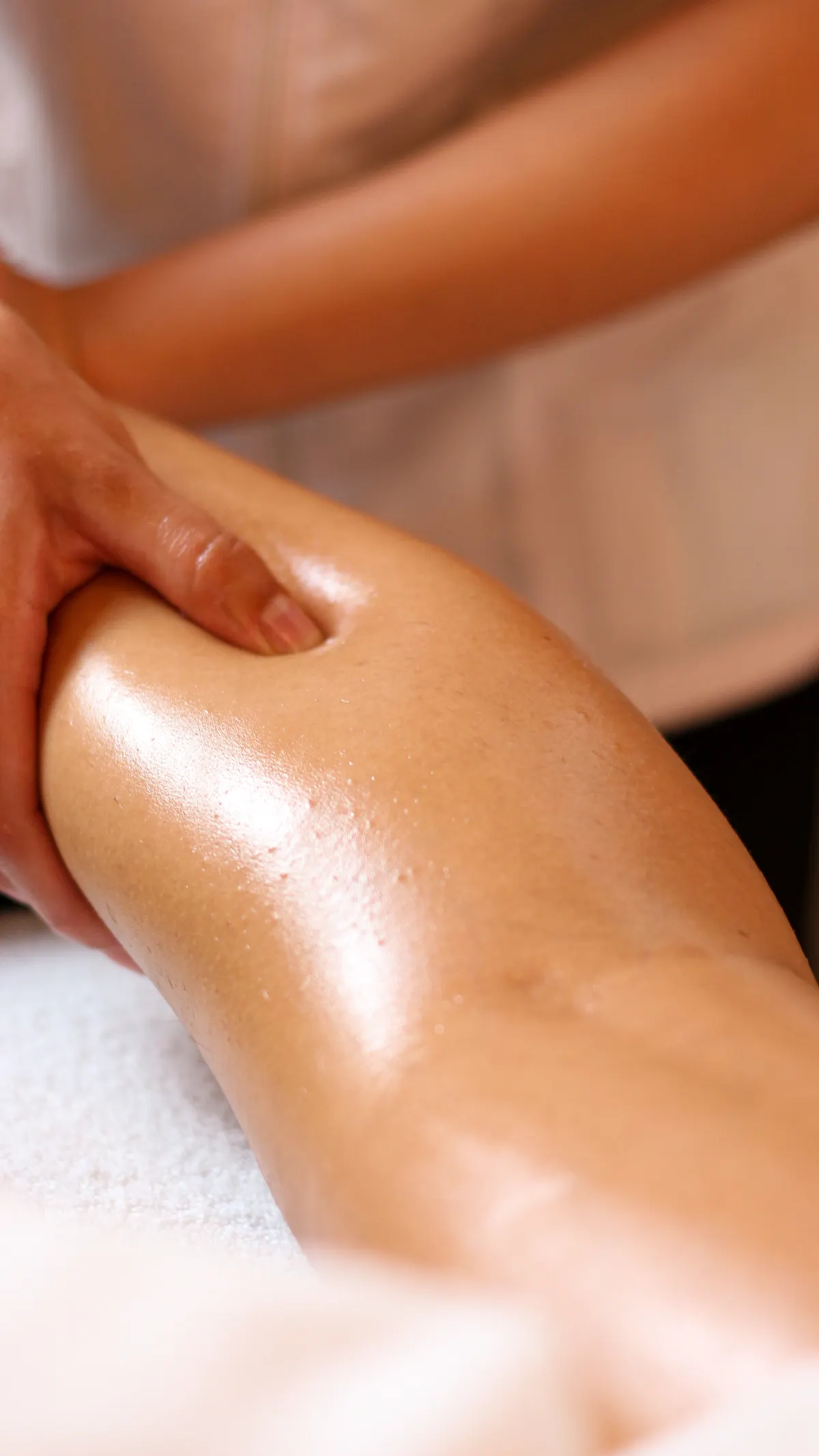
Five minutes per foot is plenty. This guide doesn’t claim that pressing particular points on the foot affects other organs, as reflexology suggests. The benefits here are softer skin and the comfort of the massage itself, whichever DIY foot massage oil you use.
Photo via Pexels, creator Mikhail Nilov (Pexels License).
When Oil Isn’t Enough for Cracked Heels
Oil softens and seals, but it doesn’t break down thick, hardened skin. For heels that are already cracked, the American Academy of Dermatology’s advice is to:
keep showers and baths to 5-10 minutes, with a gentle, fragrance-free cleanser;
moisturize within 5 minutes of bathing, using a cream with 10-25% urea, alpha hydroxy acid or salicylic acid;
apply plain petroleum jelly before bed, and wear socks;
cover cracks with a liquid bandage during the day to reduce pain and help prevent infection;
avoid open-heeled shoes such as flip-flops and slingbacks.
The foot oil recipes above fit into that routine, as the evening massage and the sealing layer, rather than replacing the urea cream. If cracked heels are severe or don’t improve with home care, see a board-certified dermatologist or podiatrist.
Who Should Be Careful With Foot Oils
People with diabetes or reduced feeling in the feet. NIDDK advises checking your feet every day, not putting lotion or cream between the toes because the moisture can lead to infection, and not soaking your feet. Nerve damage can mean you don’t feel a blister or cut, so call your health care provider about any sore that doesn’t start to heal within a few days. Talk to your care team before starting a new foot routine.
Anyone with open, bleeding or infected cracks. Signs like redness, warmth, swelling or pus need medical care. Essential oils in particular can sting and irritate broken skin.
People with athlete’s foot or a nail infection. These are fungal infections that need an antifungal treatment. Oil won’t treat them, and extra moisture between the toes can make things worse.
Anyone with nut or plant allergies. Skip sweet almond oil if nuts are a concern, and patch-test any essential oil blend on the inner forearm for 24 to 48 hours first. Our carrier oil guide walks through a step-by-step patch test.
Young children. Use unscented recipes only (1, 2 or 5), and keep peppermint oil away from them entirely.
Frequently Asked Questions
What is the best oil for cracked heels?
A thick oil that stays on the skin, like castor oil mixed with coconut or avocado oil, works best as an overnight seal under socks. For heels that are already cracked, though, a cream with 10-25% urea does more to soften hardened skin. Use your DIY foot massage oil on top of it, not instead of it.
Is coconut oil good for dry feet?
Yes. Virgin coconut oil is a good occlusive for dry feet, and it melts on warm skin, which makes it easy to use at night. Its reputation for clogging pores matters far less on the soles than on the face or back. Our coconut oil for massage guide covers the evidence for coconut oil on dry skin.
Should I wear socks after putting oil on my feet?
At night, yes. Clean cotton socks keep the oil on your feet instead of your sheets and help hold in moisture, which is why the American Academy of Dermatology suggests them for cracked heels. During the day, use a lighter oil and wait a few minutes for it to absorb before putting on shoes.
How often should I use foot massage oil?
Once a day, after a shower, is enough for most dry feet. For cracked heels, use an overnight treatment every night until the skin improves, then drop back to a few times a week to maintain it.
Is peppermint oil safe on feet?
For most adults, yes, diluted to about 1% in a carrier oil and kept off broken skin. Never apply undiluted peppermint oil, avoid it for young children, and stop if it burns or causes a rash.
The Bottom Line on DIY Foot Massage Oil
The best DIY foot massage oil depends on the problem. For dry feet, a rich unscented oil like avocado and sunflower, massaged into damp skin and sealed under socks overnight. For cracked heels, a thick castor-and-coconut blend layered over a urea cream. For tired feet, a light oil with about 1% peppermint for a cooling finish. For every day, a quick-absorbing jojoba and grapeseed mix.
Whichever DIY foot massage oil you choose, keep essential oils well diluted and off broken skin, massage sitting down and put on socks before you walk, and see a professional for cracks that bleed, look infected, or don’t improve, especially if you have diabetes.
About the Author
Written and researched by the BodyOilGuide.com editorial team. Read our editorial standards for how we research, source, and fact-check skin-care content.
Pergolizzi, J.V., Taylor, R., LeQuang, J.A., & Raffa, R.B. “The Role and Mechanism of Action of Menthol in Topical Analgesic Products.” Journal of Clinical Pharmacy and Therapeutics, 43(3), pp. 313-319, 2018. onlinelibrary.wiley.com/doi/full/10.1111/jcpt.12679
Danby, S.G., AlEnezi, T., Sultan, A., Lavender, T., Chittock, J., Brown, K., & Cork, M.J. “Effect of Olive and Sunflower Seed Oil on the Adult Skin Barrier: Implications for Neonatal Skin Care.” Pediatric Dermatology, 30(1), pp. 42-50, 2013. pubmed.ncbi.nlm.nih.gov/22995032
General dermatology references on the structure of plantar skin (thick stratum corneum, absence of sebaceous glands on the soles), and general cosmetic-chemistry references on the texture and stability of the carrier oils listed.