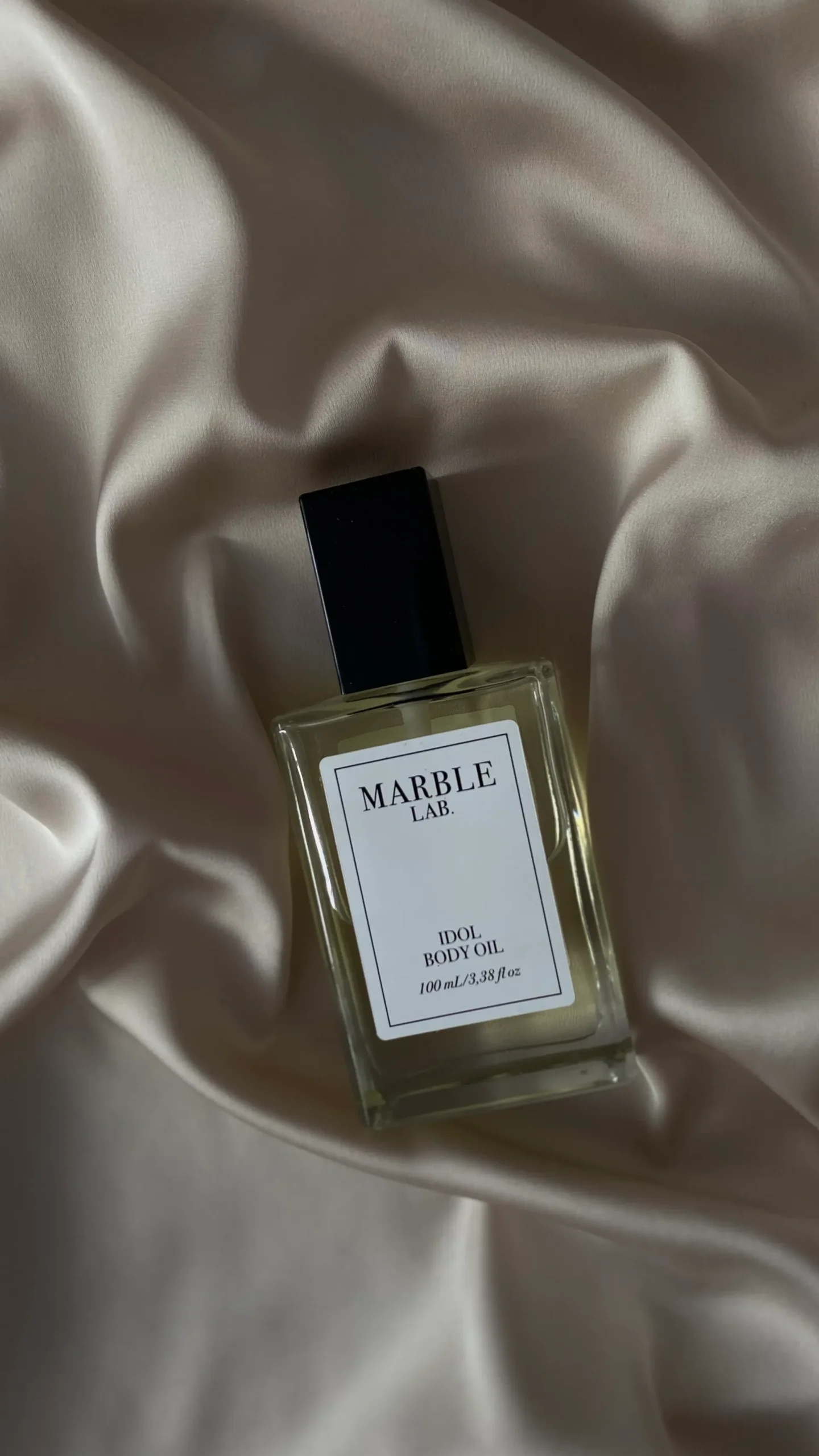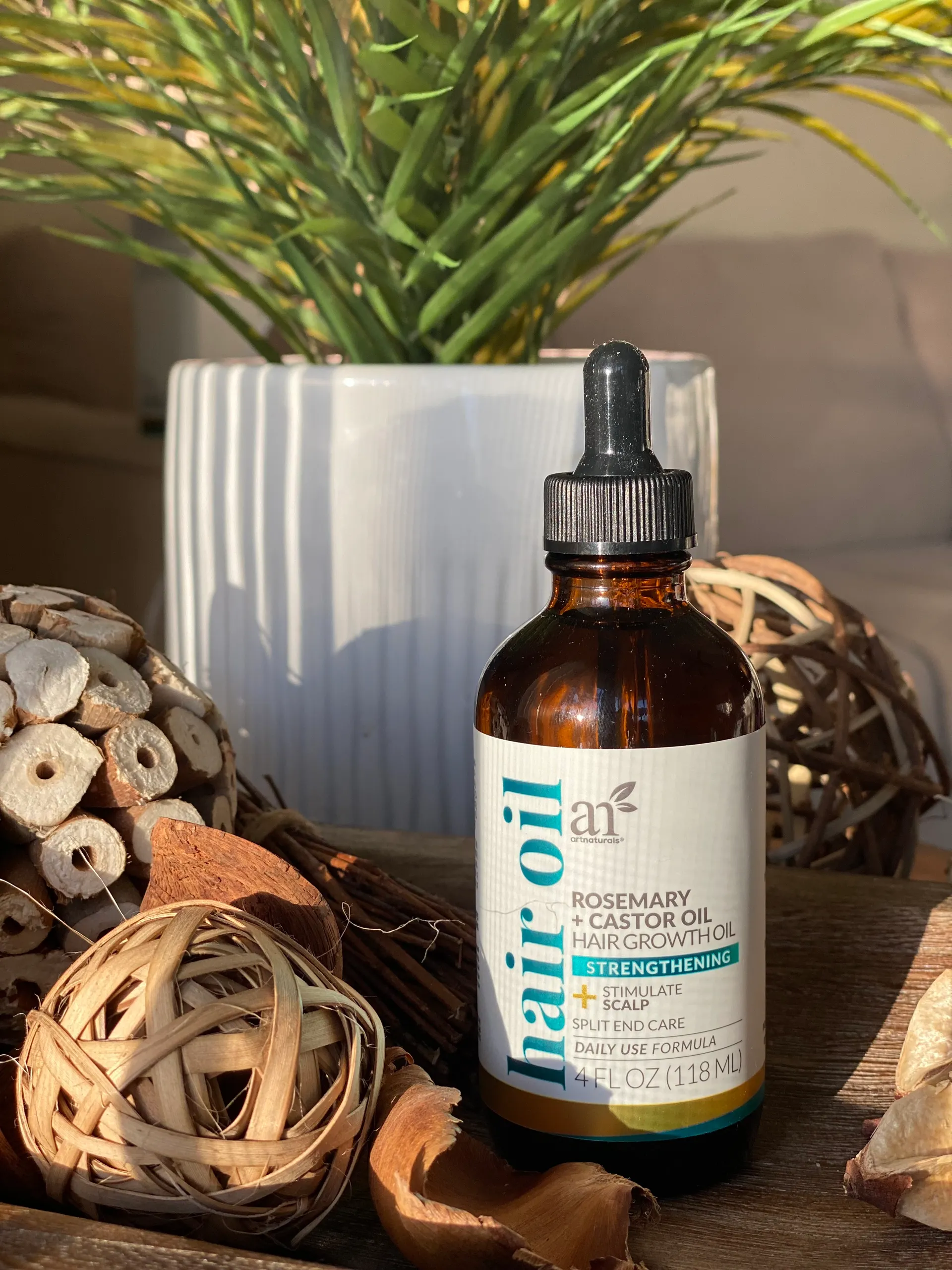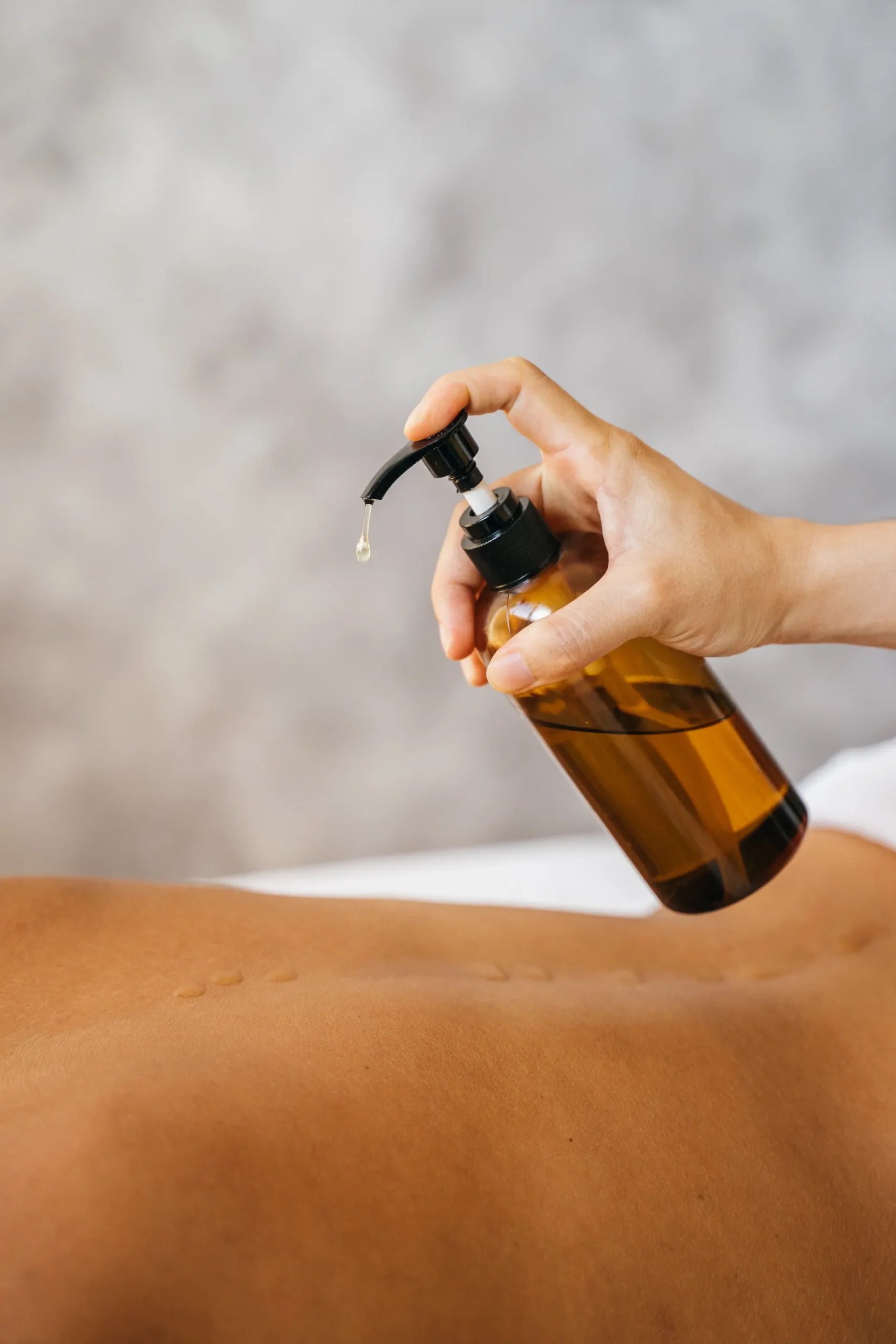
Body oil is one of the oldest, simplest personal-care products there is, and also one of the most misunderstood. The marketing language around it, “nourishing,” “deeply hydrating,” “feeds your skin,” implies that oil delivers water and nutrients into your skin the way a lotion or serum might. That’s not how most body oils work. They’re occlusives: they sit on top of skin and slow down water leaving it, rather than adding water to it.
That distinction matters, and so does a second one this guide covers in detail: not every oil protects the skin barrier equally well, and at least one widely recommended oil has been shown, in actual human trials, to damage it. This is the mechanism, the evidence, and how to actually choose and use a body oil once you know what it’s really doing.
Key Takeaways
- Body oil is primarily occlusive, not hydrating. It slows water loss from skin that already has water in it; it doesn’t add water itself. Petrolatum, the reference-standard occlusive, reduces water loss through skin by nearly 99%, and plant oils work through a milder version of the same mechanism.
- Not all oils are equal for skin barrier health. Human trials found that olive oil significantly reduced skin barrier integrity and caused mild erythema, while sunflower seed oil preserved barrier integrity, caused no erythema, and improved hydration, over the same time period.
- That difference traces to fatty acid composition: oils rich in linoleic acid tend to support the skin barrier, while oils rich in oleic acid, olive oil chief among them, can disrupt it.
- The 0-5 comedogenic scale most “pore-clogging oil” charts cite comes from 1980s rabbit-ear testing, not human skin, and it doesn’t reliably predict how an oil behaves on your face. Mineral oil, one of the most criticized “unnatural” oils, tested as non-comedogenic in both the original rabbit assay and later human patch testing up to 30% concentration.
- Patch-testing matters more for body oil than most marketing suggests, since plant oils and any added fragrance are a documented cause of contact allergy independent of comedogenicity.
Table of Contents
What Body Oil Actually Does: Occlusion, Not Hydration
Skincare science generally sorts moisturizing ingredients into two categories: occlusives and humectants. According to StatPearls’ clinical reference on moisturizers, occlusive agents “prevent water evaporation or reduce transepidermal water loss (TEWL) from the skin by forming a barrier,” while humectants are “compounds that attract and bind water,” which “can hydrate the skin if the humidity is more than 70%,” but more commonly pull water from the deeper epidermis and dermis instead, since ambient humidity is rarely that high indoors.
Most body oils, whether mineral oil, plant carrier oils, or blends, function primarily as occlusives. Petrolatum is the reference standard here, reducing water loss through the epidermis by nearly 99%, and plant oils work through a related but generally milder version of the same physical mechanism: forming a lipid layer on the skin’s surface and, to varying degrees, in the outermost layer of dead skin cells, that slows the rate at which the water already in your skin evaporates into the air.
That has a practical consequence worth sitting with: body oil doesn’t hydrate dry skin on its own. If the water isn’t there to begin with, trapping it in place doesn’t help. This is the actual, evidence-based reason behind the common advice to apply body oil to damp skin, right after a shower rather than on fully dry skin: you’re sealing in water that’s already on the skin’s surface, not asking the oil to supply water it was never carrying.
Not Every Oil Protects Your Skin Barrier the Same Way
This is where body oil marketing diverges most sharply from the evidence. The assumption behind most “natural oil” messaging is that any plant oil is a gentle, skin-friendly choice. Direct human research says otherwise for at least one very common oil.
Danby and colleagues, publishing in Pediatric Dermatology in 2013, ran two forearm-controlled studies in a total of 19 adult volunteers, with and without a history of atopic dermatitis. In the first, olive oil was applied to one forearm twice daily for 5 weeks; in the second, olive oil and sunflower seed oil were applied to opposite forearms twice daily for 4 weeks, with stratum corneum integrity measured by tape-stripping and transepidermal water loss tracked throughout.
The result: topical olive oil caused a significant reduction in stratum corneum integrity and induced mild erythema in both cohorts, while sunflower seed oil preserved stratum corneum integrity, caused no erythema, and improved hydration over the same period.
A follow-up randomized controlled trial by Cooke and colleagues, published in Acta Dermato-Venereologica in 2016 (the Oil in Baby SkincaRE, or OBSeRvE, study), tested the same two oils against no oil at all in 115 newborn infants over 28 days. Both oil groups showed significantly improved hydration compared to no oil, but significantly less improvement in the skin’s lipid lamellae structure, the organized fatty layers that give the barrier its function, than the no-oil group.
This isn’t a new finding invented for this guide. Our olive oil for hair guide already traces the underlying mechanism back to a classic 1976 animal study that found linoleic-acid-rich sunflower oil, but not oleic-acid-rich olive oil, restored impaired skin barrier function. What the 2013 and 2016 human trials add is confirmation, in actual human skin rather than an animal model, that the same pattern holds.
None of this means olive oil is dangerous, and it’s a fine ingredient in food or as an occasional cosmetic component. It does mean the specific, common recommendation to use olive oil as a daily leave-on body or baby-skin moisturizer isn’t supported by the strongest evidence available, and a linoleic-acid-forward oil is the better-evidenced choice for that specific job.
The Comedogenic Question, and the Mineral Oil Myth
Body oil shopping almost always runs into some version of a 0-to-5 “comedogenic scale,” warning that certain oils clog pores. That scale traces back to 1980s rabbit-ear assays, not human facial or body skin, and our natural hair oil guide covers the full set of widely cited ratings, and that caveat, in detail.
One specific case is worth adding here because it’s a clean illustration of why the animal-model scale can mislead: mineral oil. Mineral oil is one of the most criticized “unnatural” oils in body-care marketing, frequently accused of suffocating skin. DiNardo, publishing in the Journal of Cosmetic Dermatology in 2005, found that 100% cosmetic-grade mineral oil scored zero on the rabbit-ear comedogenicity assay, and that human patch testing of formulations containing mineral oil at concentrations up to 30% showed no comedogenic potential either.
The rabbit-ear model, in other words, isn’t even where mineral oil’s bad reputation comes from; on that model, it tests clean. The confusion largely stems from conflating cosmetic-grade mineral oil, a highly purified, inert ingredient reviewed as safe by the FDA and the Cosmetic Ingredient Review panel, with unrelated industrial-grade petroleum products never used in cosmetics.
Choosing a Body Oil for Your Skin
Given the mechanism above, the practical question isn’t “which oil is most natural,” it’s “which fatty acid profile and comedogenic profile fits your skin.”

- For dry or mature skin: Occlusion is the main job, so a richer, more emollient oil is reasonable, but a linoleic-acid-forward option (sunflower, safflower, grapeseed) has the stronger skin-barrier evidence behind it than an oleic-acid-heavy one like olive oil.
- For oily or acne-prone skin: Lower-comedogenic, lighter oils are the safer starting point. Jojoba oil, technically a liquid wax ester rather than a triglyceride, and argan oil are commonly cited as lower on the comedogenic scale; see our natural hair oil guide for the full comparison chart, with the same caveat that these ratings are directional secondary figures rather than one precisely re-verified table.
- For sensitive, eczema-prone, or infant skin: The Danby and Cooke trials above are the most directly relevant evidence here, and both point away from olive oil specifically for this use case.
- For massage or general body moisturizing: This is the lowest-stakes use case, since it’s typically occasional rather than a daily leave-on barrier product, and most plant oils perform their basic occlusive job adequately here.
How to Actually Apply Body Oil
- Apply to damp, not dry, skin. Since oil traps water rather than adding it, applying right after a shower or bath, while skin is still damp, gives the oil actual water to seal in.
- Use less than you think you need. A thin, even layer is enough for the occlusive mechanism to work; more product doesn’t trap more water once the surface is covered.
- Patch-test any new oil first, especially fragranced or essential-oil-containing blends, on your inner arm for 24 to 48 hours before wider use.
- Match the oil to the job. Reach for a linoleic-acid-forward oil for daily leave-on use on dry or barrier-compromised skin, and treat oleic-acid-heavy oils like olive oil as an occasional or culinary ingredient rather than a daily moisturizer.
Safety and Patch Testing
Comedogenicity and barrier function aren’t the only safety questions worth asking. Essential oils and fragrance additives, common in commercial “body oil” blends, are a documented, specific cause of allergic contact dermatitis, covered in more depth in our natural hair oil guide, including reactions that standard fragrance-allergy screening panels can miss.
If you’re pregnant, several essential oils commonly blended into body oils, rosemary among them, carry separate pregnancy-specific cautions unrelated to skin-barrier or comedogenic questions. A plain, low-fragrance carrier oil is the lower-risk default if you’re not sure what’s actually blended into a scented body-oil product.
Frequently Asked Questions
Does body oil actually moisturize skin, or just seal it?
Mostly the latter. Body oil is primarily an occlusive: it slows water loss from skin that already has water in it, rather than adding water itself. Applying it to damp skin, right after bathing, is the mechanism-based reason it’s typically recommended that way.
Is olive oil bad for skin?
Not inherently, but it’s not the best-evidenced choice for daily leave-on skin moisturizing. Human trials found olive oil significantly reduced skin barrier integrity and caused mild erythema, while sunflower seed oil preserved barrier integrity and improved hydration over the same period.
Is mineral oil actually bad for your skin?
The evidence doesn’t support the common “clogs pores” claim for cosmetic-grade mineral oil specifically. It scored zero on the original rabbit-ear comedogenicity assay and showed no comedogenic potential in human patch testing up to 30% concentration.
How do I know which body oil is right for my skin type?
Match the oil’s fatty acid profile to your goal: linoleic-acid-forward oils (sunflower, safflower, grapeseed) have stronger skin-barrier evidence for dry or sensitive skin, while lower-comedogenic options (jojoba, argan) tend to suit oilier or acne-prone skin better.
The Bottom Line on Body Oil
Body oil’s actual mechanism is simpler, and more limited, than most marketing implies: it’s an occlusive that traps existing moisture rather than a delivery system for new hydration. Within that mechanism, the choice of oil genuinely matters.
Human clinical trials found that olive oil, one of the most commonly recommended “natural” skin oils, measurably damaged skin barrier integrity and caused mild erythema, while sunflower seed oil, applied the same way, protected the barrier and improved hydration. Meanwhile, the comedogenic scale most people use to judge “pore-clogging” potential comes from 1980s rabbit-ear testing, not human skin, and at least one commonly maligned oil, mineral oil, tests clean on both the original animal assay and later human testing.
None of this means body oil is a bad category of product. It means picking one well requires looking past “natural” and “nourishing” to the actual fatty acid profile and the actual evidence behind it.
About the Author
Priya Nandan, Licensed Cosmetologist, specializes in textured and chemically treated hair care. Read our editorial policy for how we research, source, and fact-check haircare content.
Sources
- Harwood, A., Nassereddin, A., & Krishnamurthy, K. “Moisturizers.” StatPearls [Internet]. Treasure Island (FL): StatPearls Publishing, updated February 2024. ncbi.nlm.nih.gov/books/NBK545171
- Danby, S.G., AlEnezi, T., Sultan, A., Lavender, T., Chittock, J., Brown, K., & Cork, M.J. “Effect of Olive and Sunflower Seed Oil on the Adult Skin Barrier: Implications for Neonatal Skin Care.” Pediatric Dermatology, 30(1), pp. 42-50, 2013. pubmed.ncbi.nlm.nih.gov/22995032
- Cooke, A., Cork, M.J., Victor, S., Campbell, M., Danby, S., Chittock, J., & Lavender, T. “Olive Oil, Sunflower Oil or no Oil for Baby Dry Skin or Massage: A Pilot, Assessor-Blinded, Randomized Controlled Trial (the Oil in Baby SkincaRE [OBSeRvE] Study).” Acta Dermato-Venereologica, 96(3), pp. 323-330, 2016.
- DiNardo, J.C. “Is Mineral Oil Comedogenic?” Journal of Cosmetic Dermatology, 4(1), pp. 2-3, 2005. onlinelibrary.wiley.com/doi/10.1111/j.1473-2165.2005.00150.x
- Prottey, C., Hartop, P.J., Black, J.G., & McCormack, J.I. “The Repair of Impaired Epidermal Barrier Function in Rats by the Cutaneous Application of Linoleic Acid.” British Journal of Dermatology, 94(1), pp. 13-21, 1976. Covered in full in our olive oil for hair guide.
- Fulton, J.E., Pay, S.R., & Fulton, J.E. 3rd. Foundational rabbit-ear-assay comedogenicity research (1984); full comparative ratings covered in our natural hair oil guide.