“Coconut oil is food for your hair” is a common claim in hair-care circles, and the coconut oil hair food idea has become shorthand for almost any moisturizing claim you’ll see on a label. It’s not literal, obviously — but is there anything to it? Here’s what the research on coconut oil and hair actually shows, separate from the marketing language.
The “food” framing isn’t entirely made up. Coconut oil does contain fatty acids and antioxidants that overlap with what gets marketed as “nourishing” in actual food products too. But hair itself is dead keratin, not living tissue that metabolizes nutrients the way skin or a scalp can — so the coconut oil hair food idea works more through surface chemistry, penetration, sealing, reduced friction, than through anything resembling nutrition.
Table of Contents
What Coconut Oil Actually Does to Hair
The strongest evidence behind coconut oil isn’t about growth — it’s about protein loss. Coconut oil is roughly 45 to 53% lauric acid, a saturated fatty acid with a molecular structure small and straight enough to penetrate the hair shaft rather than just sitting on the surface the way heavier, bulkier oils do, according to a 2024 review of plant-based cosmetic oils in ACS Omega. That’s a meaningfully different fatty-acid profile from oleic-acid-dominant oils like olive or argan, which mostly seal the hair shaft rather than entering it.
Rele and Mohile published the key study behind this claim in the Journal of Cosmetic Science in 2003, comparing coconut, sunflower, and mineral oil applied before and after washing. Coconut oil was the only one of the three that measurably reduced protein loss from the hair shaft, in both damaged and undamaged hair — sunflower and mineral oil showed no such effect and stayed on the surface instead.
In practice, that shows up as smoother cuticles, less breakage from daily handling, and hair that looks and feels healthier over time — particularly on hair that’s undamaged or only moderately damaged, where the oil has an intact structure to work with.
What “Coconut Oil Hair Food” Claims Get Wrong
This is where a lot of “hair food” claims overreach. Coconut oil does not stimulate new hair growth in any clinically proven way. A 2022 systematic review in the Journal of Drugs in Dermatology, which analyzed 22 studies on coconut, castor, and argan oil, found coconut oil had the strongest evidence of the three for improving hair quality, but only limited evidence for any effect on actual hair growth. Castor and argan oil fared worse in the same review — argan oil, in particular, showed no significant evidence for growth, hair quality, or treating scalp infestation at all.
It also won’t reverse existing damage permanently; it reduces further protein loss going forward, which is different from repairing what’s already broken. And it doesn’t penetrate every hair type equally — very curly, porous, or already heavily damaged hair can behave differently than the smoother hair fibers most of these studies were conducted on.
Worth noting: coconut oil coming out ahead of castor and argan oil in that same review isn’t a high bar. All three are marketed with similar “hair food” language, and none of them cleared it for growth. If a bottle’s main selling point is regrowth rather than damage prevention, that claim isn’t well supported for any of these three oils specifically.
How to Actually Use It
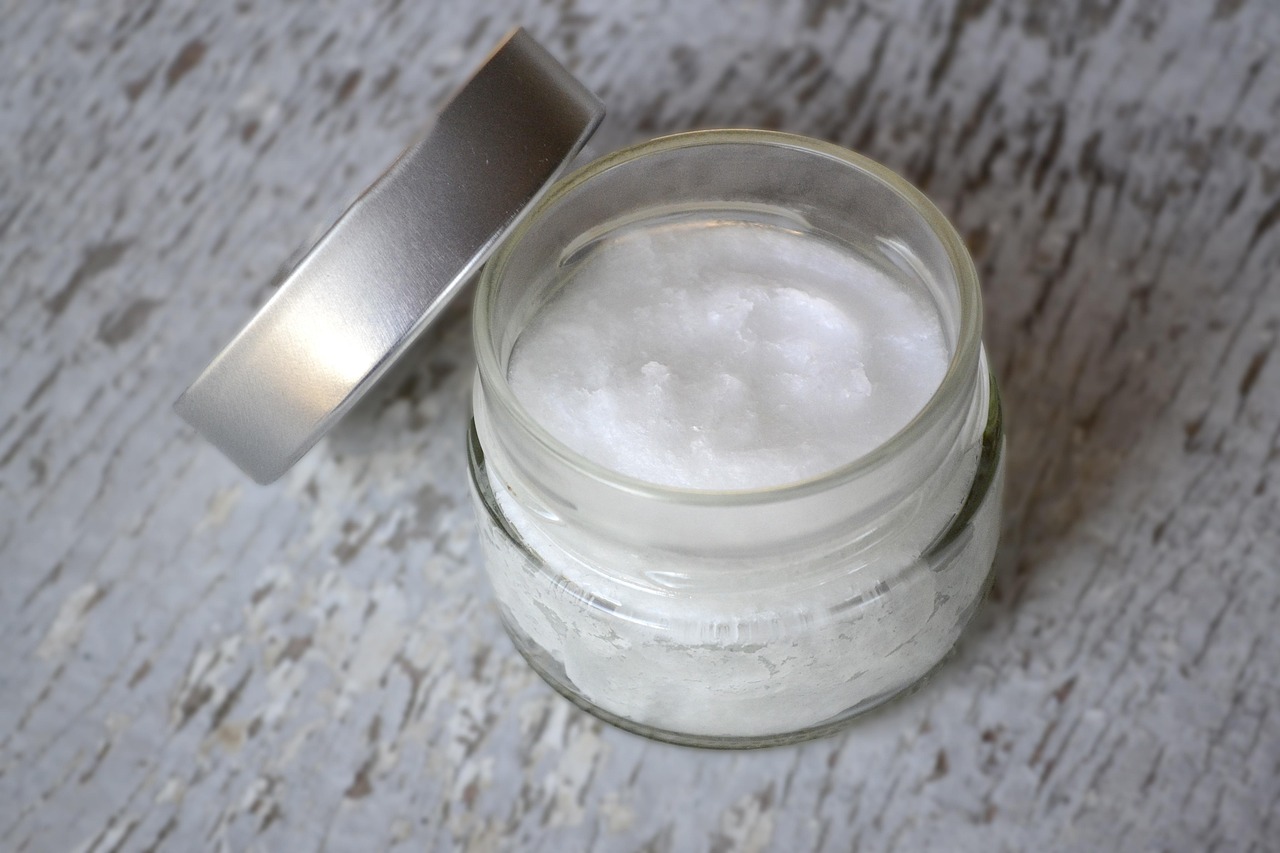
Most coconut oil hair food claims hold up best when it’s used as a pre-wash treatment rather than a leave-in product for most hair types. Apply it to dry hair before shampooing, focusing on the lengths and ends rather than the scalp, and leave it for at least 20-30 minutes (some people leave it on overnight) before washing it out thoroughly. Used this way, once or twice a week, it does the most measurable good: less protein loss between washes.
A little goes a long way. Start with a small amount, about a teaspoon for shoulder-length hair, and add more only if your hair fully absorbs it. Washing it out thoroughly matters as much as applying it correctly; leftover residue after a rinse is usually what turns a helpful pre-wash treatment into a greasy one. Fine or straight hair generally needs less and less-frequent use than thick or coarse hair, which can handle more oil before it looks weighed down.
Who Should Be Cautious
Coconut oil is heavy and can coat fine or low-porosity hair rather than absorbing into it, leaving strands looking greasy or weighed down instead of nourished. If that’s your experience, a lighter oil is usually the better fit.
This isn’t unique to coconut oil among “food for hair” claims — it’s a mismatch between an oil’s weight and your hair’s porosity, not a flaw in the oil itself. Low-porosity hair in particular has a tightly overlapping cuticle that struggles to absorb heavier oils no matter how much penetration research backs them, which is exactly why the coconut oil hair food idea works better for some hair types than others.
It’s also worth a patch test before your first full application, particularly if you have a known coconut or tree-nut sensitivity — reactions to topical coconut oil are uncommon but not unheard of, and the scalp and hairline are easy places to test a small amount before committing to a full pre-wash treatment.